

The Success Insight
Worthwhile Change Does Not Come Easy

The Success Insight
Worthwhile Change Does Not Come Easy
Do you lead with contrition?
If you’ve been following news cycles in recent weeks, you will be familiar with the story of Luis Rubiales.
Rubiales was President of the Royal Spanish Football Federation (RFEF). He attended the recent FIFA Women’s World Cup Final, as Spain beat England in Sydney.
During the presentation ceremony, in which the Spanish players were given their winners medals, he embraced each of the Spanish players with hugs and traditional kisses to the cheek.
When Spain’s star striker, Jenni Hermoso, walked past him, it kicked off a tsunami of controversy. The fact that the Spanish team won the World Cup moments before has been regrettably marginalised.
As Rubiales and Hermoso were embracing each other jubilantly, he placed both his hands around Jenni’s face, and forcibly kissed her on the lips.
Shortly afterwards, Jenni wrote on Instagram that she did not enjoy the kiss. She has since stated that the kiss was not consensual.

Media Storm
It wasn’t long before the media picked up on the story. It became a leading conversation on radio talk-shows, was headlined across all major news programs, and created conscious dialogue in many households across the globe.
Rubiales initially apologised for his conduct (which also included him grabbing his crotch in front of Queen Letizia and her 16-year-old daughter). But his apology was far from sincere. He put his actions down to a moment of euphoria. There was no contrition. He attempted to downplay the incident.
His feeble apology only further enraged the conversation. There were calls from many organisations and individuals for him to resign from his post immediately. That included royalty, politicians, as well as FIFA (who suspended him for 90 days).
The Spanish Government filed a complaint in the Sports Administrative Court. And 81 female players, including all 23 who made-up the Spanish World Cup winning squad, released a joint statement pledging to boycott the national team until changes were made to reform RFEF leadership.
Instead of resigning, Rubiales did the opposite. He doubled down. He gave an impassioned speech to RFEF members stating that he had done nothing wrong and that he would not resign. He also argued that the kiss with Jenni Hermoso was consensual. He was given a standing ovation at the meeting.
More Drama
To add further drama to the circus, Rubiales’ mother, Ángeles Béjar, locked herself into the local church and went on a hunger strike in support of her son. She was protesting against what she called an ‘inhumane, bloodthirsty hunt’.
Ángeles said that she was prepared to die if it meant justice for her son. It was not long before she was admitted to hospital but has since returned home.
Rubiales has eventually resigned from his role. He has also been issued with a restraining order from a judge which prohibits him from going within 200m of Jenni Hormoso.
The fallout, repercussions, and legal actions are still taking shape. History will ultimately define the significance of this incident, as well as the change that came as a result.
‘Just a Kiss’
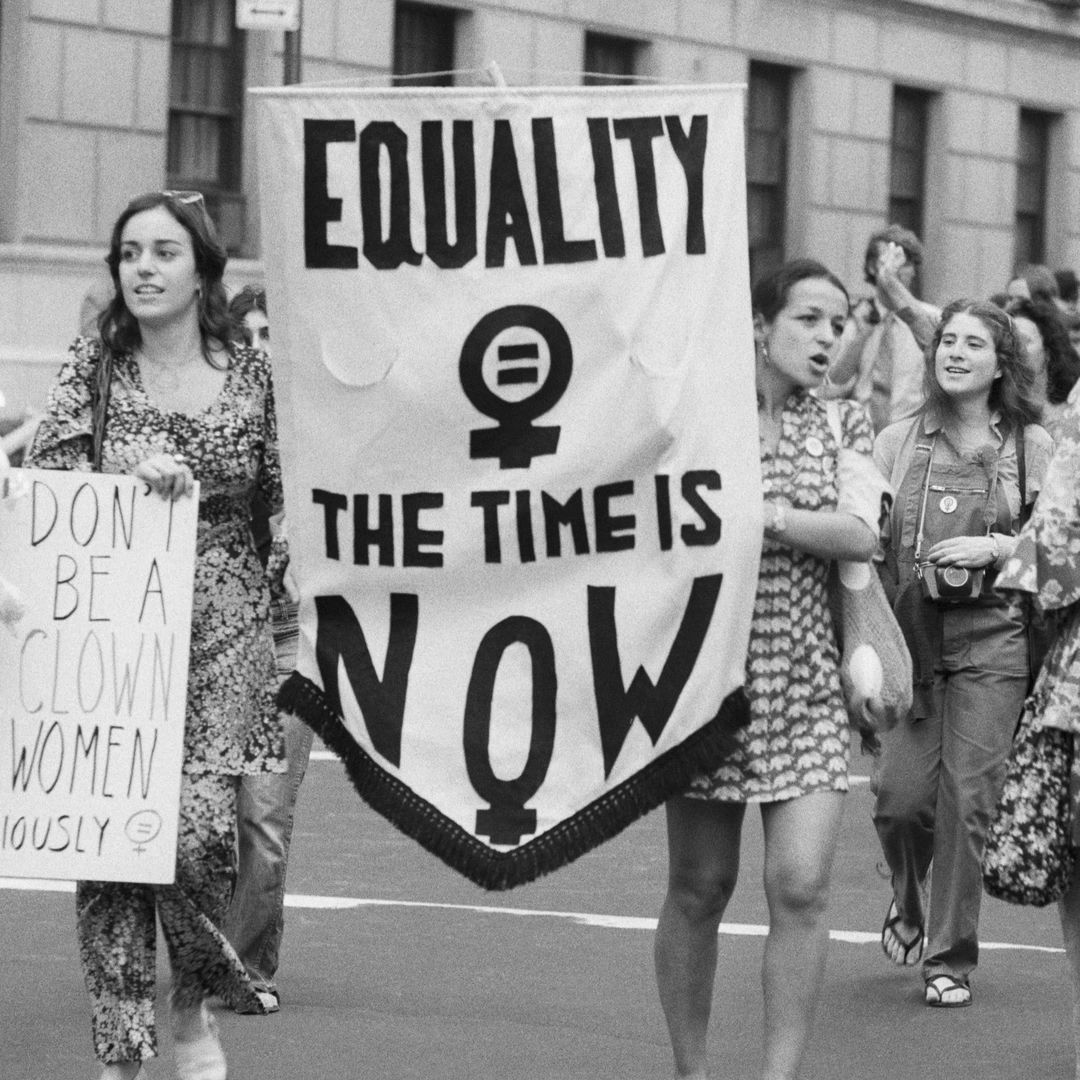
Some have argued that this was ‘just a kiss’ and that the incident has been blown out of proportion. The reality is that the incident represents so much more than the kiss.
Brave women who have gone before us have fought and died for equality. Through their actions, the abuse and subjugation of women that has been commonplace in our society for centuries (or likely even to the advent of human existence) is no longer tolerated.
But the revolution is not yet complete.
In many parts of the world abuse of women is still considered the norm. Women are treated as second class citizens, or sexual objects for men. In the ‘developed liberal world‘ there are establishments, like RFEF, who are resistant to reform.
The Rubiales saga provided a glimpse into how we can take a polarising event, and use it as a driver to create menaingful change. Each of us play an active role in shaping the future of humanity. We decide what we are willing to tolerate.
Regardless of the story, I’m always searching for bigger meanings and insights that I can learn from and apply to my life. Here are my life lessons from what has played out over the last six weeks:
1. Lead with contrition.
We are imperfect humans and, despite our best efforts, are only a moment away from making a life changing mistake. Unless you have committed a horrific crime, it’s doubtful that you will be judged solely on whatever mistake you have made. More likely, people will remember how you react to the mistake.
When you screw up, own it. Don’t make excuses. Reflect on how you can learn and grow from the incident. We all carry layers of inherent and unconscious bias’ from the generations that went before us. Part of our journey is awakening to the change we want to create for ourselves.
2. Worthwhile change does not come easy.
The establishments the make up our society are rigid. They are resistant to reform. Mainly because it means the individual members of those establishments need to take on the difficult self-reflection work, I spoke about above. It’s uncomfortable. It’s difficult. It’s triggering. It’s easier to look the other way or to pretend there’s nothing to see here: “it’s just a kiss.”
If you want to drive real change in the world, you need to be courageous in your pursuit of it. You need to risk your comfort and possibly your career, as 81 Spanish women football players have done. Recognise what’s important to you and be willing to take a stand.
3. Tell them what they need, not what they want.
When Ángeles Béjar went on a hunger strike in support of her son, her intention was noble. She wanted to show unconditional love and support for her son. She wanted to end what she saw as an unfair persecution against him. But her logic was flawed. Rubiales might have wanted to feel loved, but it wasn’t what he needed.
He needed his mother to be honest with him. He needed his mother to say, “I love you, but you have made a mistake. You need to take ownership for your mistake and demonstrate that you understand why people are so outraged by your behaviour. You need to show contrition. You need to demonstrate that you are committed to changing yourself and reforming the organisation you lead.”
Had he done that the morning after the World Cup Final, I’m pretty certain the drama would have ended there. We would have been touched by his humility and connected with his imperfection.
Being a leader is not about a rank, position, or a title. It’s about being a better human. It’s about taking on the difficult work. That’s what draws people to follow you.
You all have it in you to be the leaders we need. The question to ask yourself is, ‘do you want to?‘