

The Success Insight
The 70’s Are Over

The Success Insight
The 70’s Are Over
My career as a coach began a little over six years ago.
At the time, I was deeply involved in another career within the world of software.
This is at least my second career. I’ve dabbled with architecture and design, although I wouldn’t say either qualify as a career.
Having a career – preferably a fulfilling and successful one – is becoming increasingly sought, and yet agonisingly out of reach.
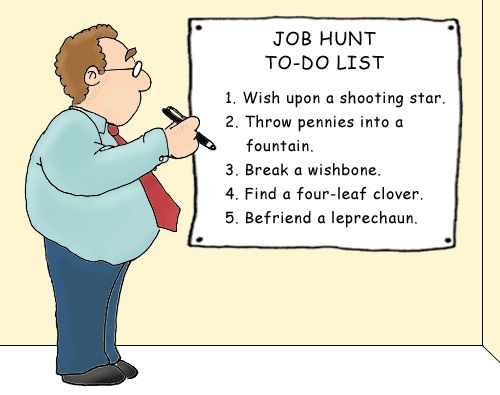
What is a ‘Modern Human’?
We are receiving new archeological evidence highlighting our ancestry all the time.
We know that the genus homo is estimated to date back almost 2.8 million years. Homo Sapiens (that’s you and me) have existed for around 300,000 years.
What makes sapiens unique from earlier evolutions of genus homo is our unique ability to handle complex cognitive skills. We are the only mammal capable of touching our thumb with our little finger, for example.
We also possess a unique language circuit within our brain. This characteristic allows us to create language and effortlessly communicate with any other sapiens who speak the same language.
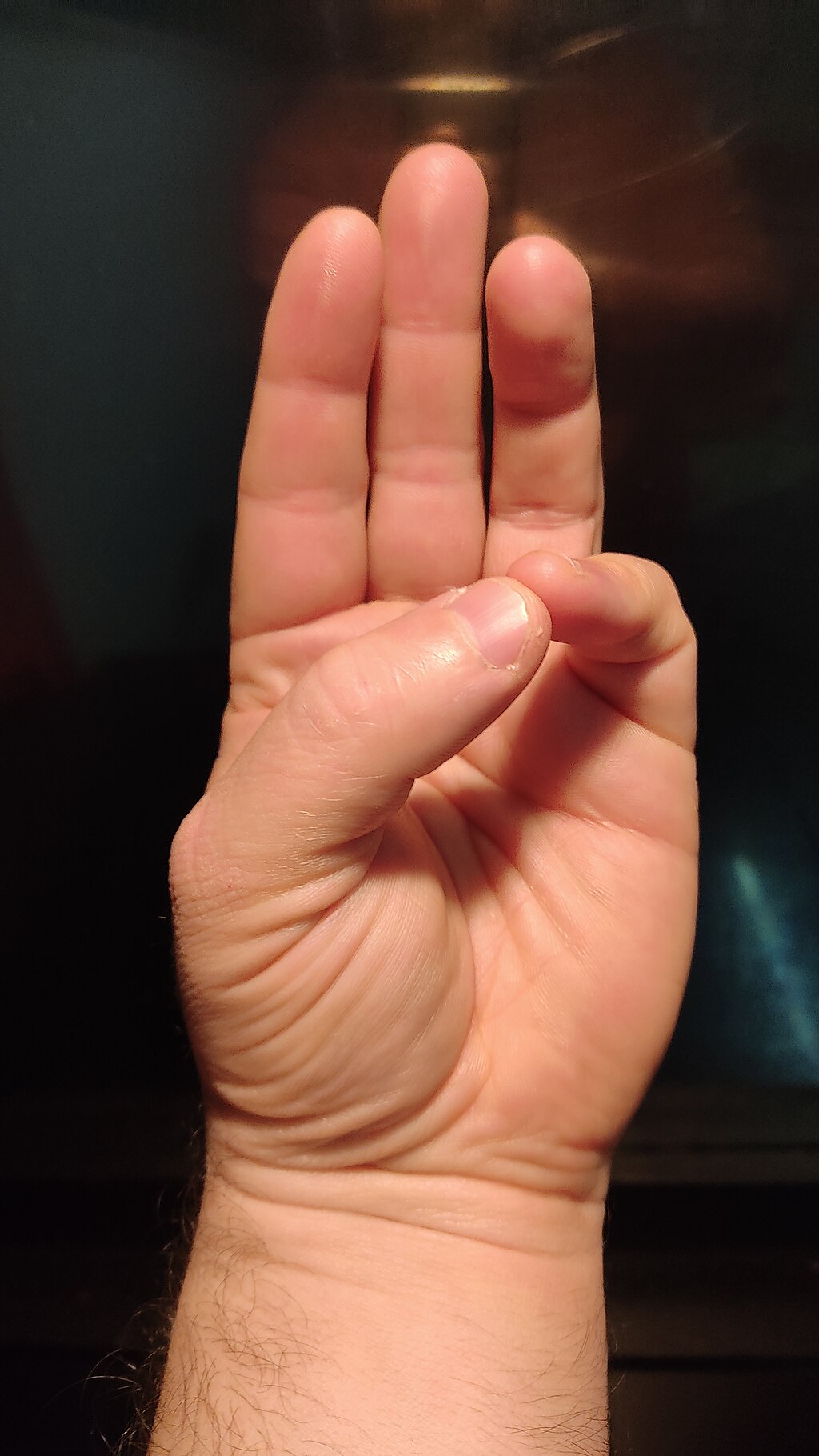
Homo Sapiens were ‘hunter-gatherers’. That’s our wild type. We go out into our local environment and find foot to eat.
Somewhere around 10-14,000 years ago, humans began to plant things. It’s known as the neolithic revolution. Very quickly, we shifted away from being hunter-gatherers and became semi-domesticated.
People began to settle down. City states were created which represent the large urban areas we are now familiar with. For the first time in our history human beings now create more food than we can eat.
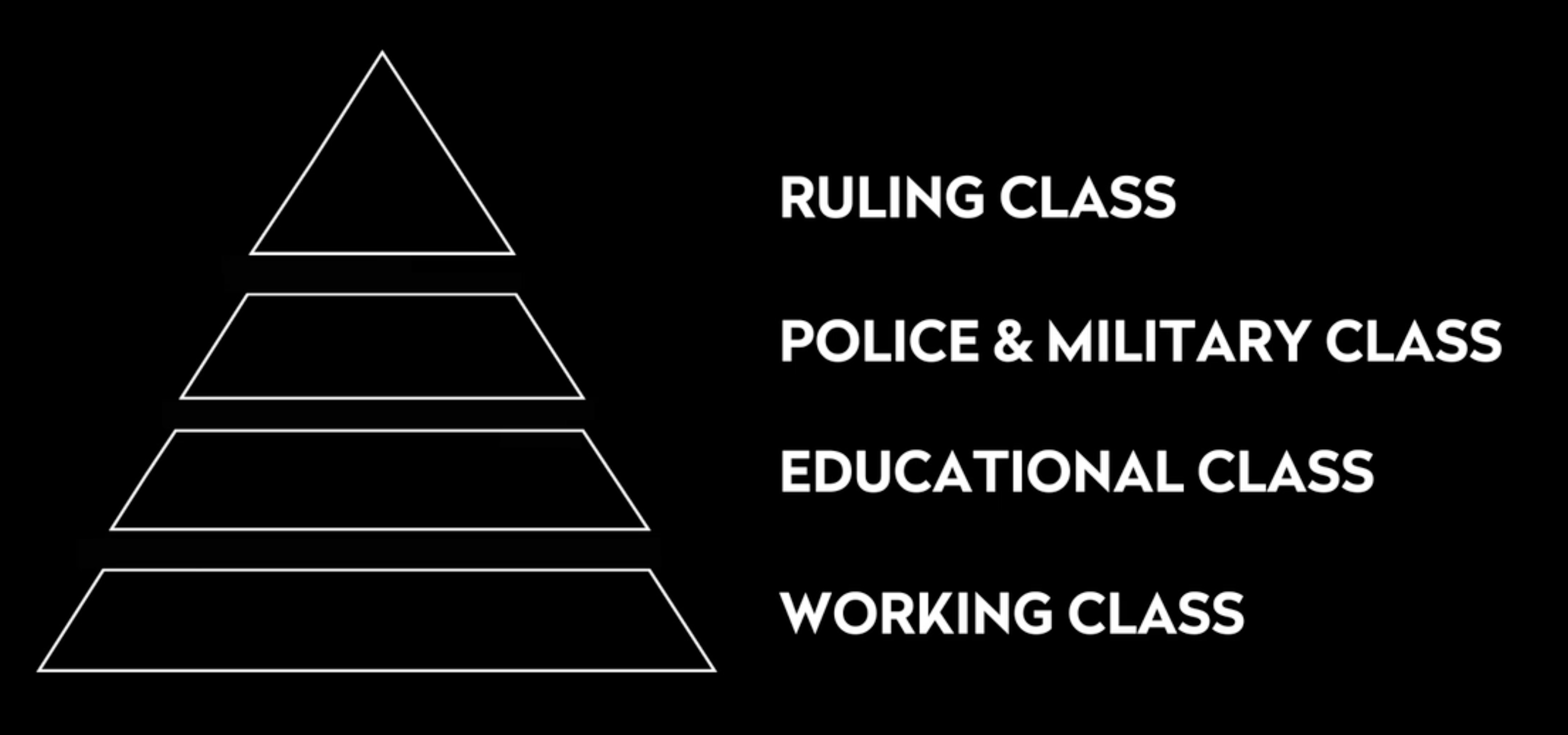
I’m not sure we deliberately set out to create this, but we have ended up with a stratified society.
We no longer need to hunt and forage but…
- We need people to harvest our food supply.
- We need people to distribute our food.
- We need people to package and supply our food.
- We need someone to regulate and ensure our food is of a certain standard.
- We need someone to manage this entire process.
- We need to have rules around this, and someone to enforce those rules.
- We need someone to sit on top of the enforcement class to prevent them from abusing that power.
Today – regardless of how knowingly complicate we choose to be – we are part of a hierarchical structure.
What is Different About ‘Career’s’ Today?
In the last 50 years alone, we have lived through massive evolution.
1970’s & 1980’s – Specialization takes hold. Job security was most important. People often stayed in a job for life with clear hierarchical progression paths.
1990’s – The advent of the digital age. The internet, personal computers, and mobile phones began to reshape careers. Career mobility – where professionals changed jobs without consequence – happened more frequently.
2000’s – The dot-com boom. The rise of fintech disrupted traditional career paths. The rapid evolution of technology meant that continuous learning and upskilling was required in order to remain relevant and in-demand.
2010’s – Digital transformation. The gig economy emerged with freelance and contract work having mutual benefits for employer and worker. Digital transformation requires an increasingly adept and highly skilled workforce.
2020’s – The age of the remote worker. The COVID-19 pandemic accelerated the adoption of remote work in many industries. Careers are now seen as a series of diverse experiences rather than a linear journey.
The Career Transition
Many of my clients will enter a coaching container with an objective to change, improve or transition their career. People feeling unfulfilled, unappreciated, unchallenged, bored, or generally confused are not alone.
There are typically a number of personal requirements that lead them to believe finding a suitable opportunity will be difficult – salary, expertise, geography etc… The list can be long.
The mindset that many people take into a career transition project is often rigidly fixed. They search for a job description and a salary that roughly aligns with their requirements.
In searching and then applying for a role that was written by someone with far less expertise than yourself, you are negating many of the skills and expertise you possess.
By entering into a hiring process with a fixed mindset, you’re unlikely to appeal to the hiring executive as someone who can help resolve many of the issues that keep them awake at night.
People all over the world are creating wildly innovative second careers for themselves. Some of them are entrepreneurial pursuits. Many are partnerships or paid employment opportunities.
When questioned on how they were able to successfully transition their career, they typically highlight three essentials…
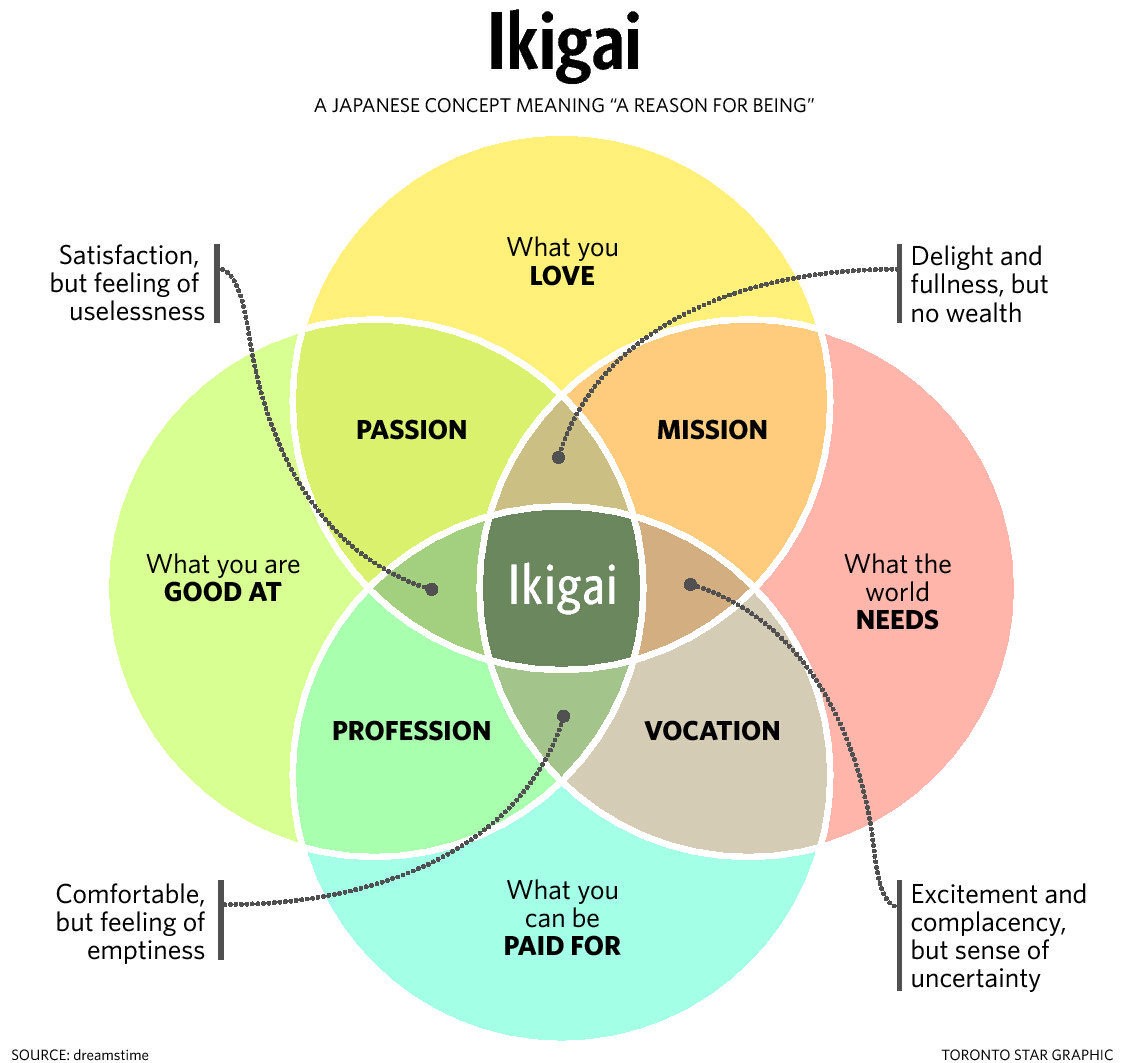
Vision – You may not be able to pinpoint exactly what you will do in your new career. It’s imperative you have a vision of how you see your life. What will you spend your time doing? What kind of impact will you create? What problem are you solving? How will you feel? Often the biggest impediment to a finding fulfillment is not knowing what you’re trying to create.
Courage – Change is never easy. Success is not guaranteed. Walking away from something you know intimately, and taking a chance on something new requires massive amounts of personal courage.
Support – No matter how much strength of mind you have as an individual, every success story speaks to the huge amounts of generous and unshakeable personal support they received. Humans are social beings. You can’t do it alone.
Images of people working with their laptop from a beach are part of the problem. That’s not realistic, and also not what you want.
To be fulfilled in your career you need a challenge, and you need to feel like you’re creating an impact. In my experience, you get the biggest thrill out of life when you’re intimately involved with the work you do.
You came here for a reason. Your mission – if you choose to accept it – is to find that reason. And then fulfill it.