

The Success Insight
Talk to Yourself

The Success Insight
Talk to Yourself
Our daughter, Maya, has been on a ridiculous number of flights for only being 15 months old.
(How times change. I must have been 10 years old before I first travelled on a plane.)
Due to her cuteness and general sassiness, she usually receives plenty of attention wherever she goes. It’s not unusual for the flight crew to make a fuss of her.
One particular flight attendant was drawn to Maya a few weeks ago. He seemed to be enjoying the interaction. I asked him if he had children of his own.
“I’m 24”, he responded.
I understood his inference that he is ‘too young’ to be a father.
Smiling at his innocence, I explained that we had recently travelled to Mexico. Our experience there was that many people had multiple children at the age of 24.
One waiter in his thirties was telling us that he is a grandfather. He and his girlfriend (now wife) conceived their first child at the age of 15.

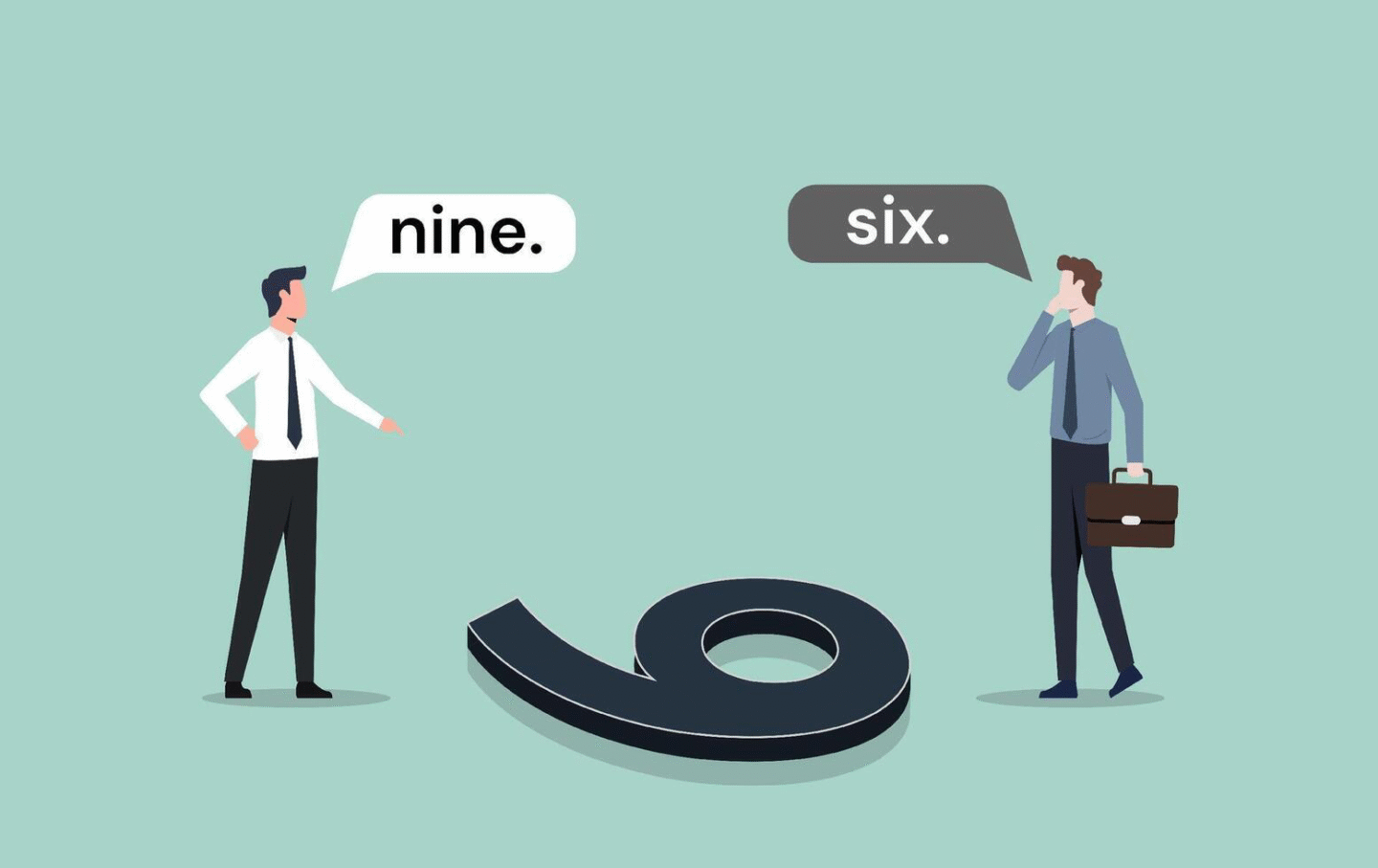
Perspective is Everything
I had a similar experience when in conversation with my physio a few months ago. He was talking to me about his mother. I enquired if she was still working.
“Of course,” he responded.
It turns out his mother is not much older than I am. She decided to have children in her early 20’s and is now free to live her life without the responsibility of young children.
I wonder how different my life (or hers) might be had the situation been reversed.
The flight attendant I spoke to clearly thought 24 was way too young an age to even consider having children.
In other cultures, it’s highly encouraged to marry and have children at a young age.
In the case of the waiter we spoke to, life happens, and you need to adjust.
Perspective Changes
In Western Society today, it is a commonly held belief that 24 is a young age to be a parent.
It hasn’t always been that way.
In fact, it’s only recently been that way.
A couple of years ago I needed to compile many of my grandmothers legal documents to formalise my Irish citizenship.
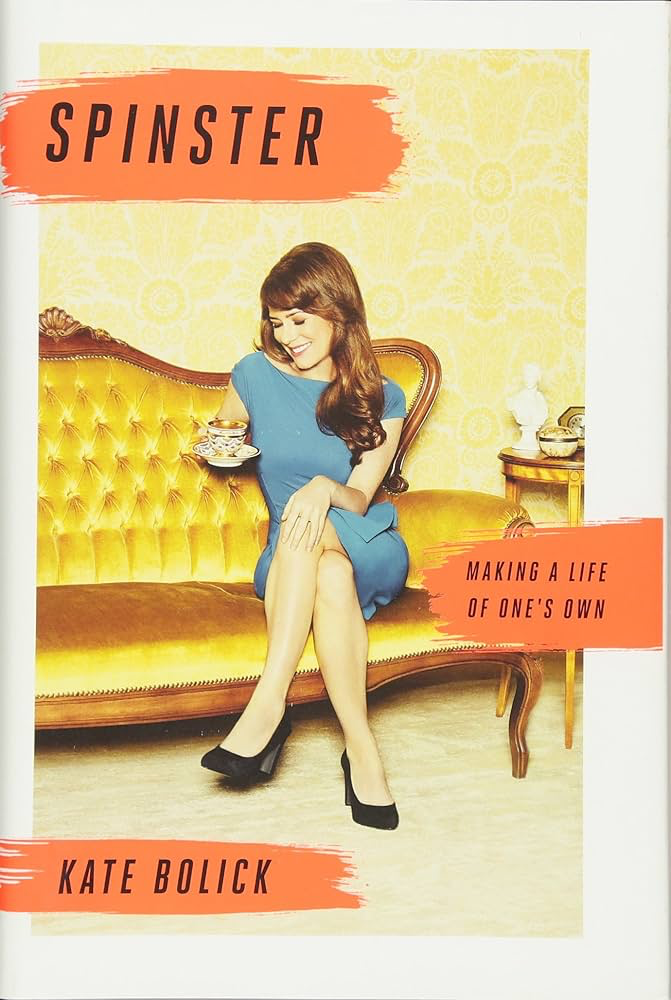
On her marriage certificate, I was astonished to see her ‘Condition’ defined as ‘Spinster’.
Curious to know what that meant, I began researching ‘spinster’. The dictionary definition is…
“A woman who is not married, especially a woman who is no longer young and seems unlikely ever to marry.”
Given that definition, you might think that my grandmother married in her 30’s, or at least her late-20’s.
She was 22.
At the age of 22, she was labelled ‘no longer young’ and ‘unlikely ever to marry’.
This was April 1942. Only 83 years ago.
In fewer than 83 years, societal beliefs on the conventional marital and child bearing age for a woman have almost reversed.
Label’s Stick?
You might be mumbling…. “Spinster was just the term used at the time. Nobody actually thought she was ‘no longer’ young”.
For the record, it wasn’t until the Civil Partnerships Act 2005 when the labels ‘bachelor’ and ‘spinster’ were both replaced with ‘single’.
Until then, women wrote ‘spinster’ to define their ‘condition’ whenever the question was asked. It was a label they learnt to identify with.
The label was introduced and given to women (most likely by men), as a means of control. Its intent was to induce women into feeling wrong or inadequate if they weren’t married with children.
It worked. My grandmother, who was forced to file for divorce on the gorunds of ‘dessertion’, kept the name of the man who abondoned her until the day she died. That was nearly 70 years later.
For a woman, being single was synonymous with shame.
Who would want to label themselves in such derogatory terms?
We do it every day.
Society today is, thankfully, more collectively inclusive. We no longer tolerate being spoken to in derogatory terms. We stand up for ourselves and take a stand for those who are unable to fight for themselves.
Our threshold for ‘offensive’ language or behaviour is drastically lower than that held by previous generations.
Some people actively seek reasons to feel offended. (In case you are wondering, it’s not difficult to find reasons to feel offended. I don’t recommend it.)
Our lowered threshold for offensive language somehow doesn’t apply to the way we to talk to ourselves. We apply very little filter to the many derisory and offensive labels directed at ourselves.
“You’re such an idiot”
“You’re not good at that.”
“You’re always making that mistake.”
“You don’t look good in that.”
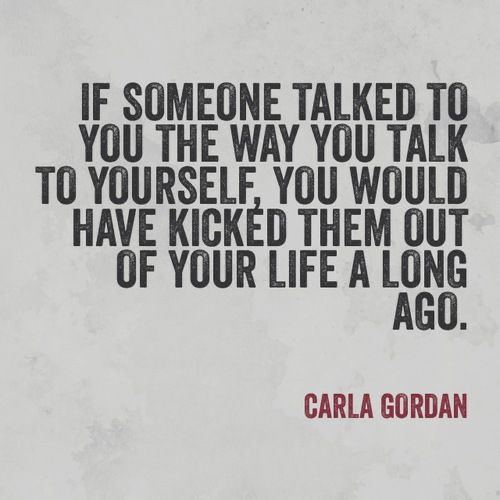
No labels stick harder and longer than those you apply to yourself.
They create the beliefs you have about yourself and your capabilities. You use them to set your upper limit in life.
I can say with great certainty, you’re so much better than you know. And you’re capable of so much more than you tell yourself.
You can change this, right now. You don’t need to wait 83 years for society to change its perspective.
What do you tell yourself that you wouldn’t accept hearing from a friend?
It’s time to change the conversation you have with yourself. It’s time you became the friend to yourself who you can count on.