

The Success Insight
Forge Antifragile Confidence

The Success Insight
Forge Antifragile Confidence
Late last month, European golfers emphatically won the Ryder Cup.
It was emphatic because they won on US soil, against a strong US team made up of the best golfers in the world.
It was even more emphatic, because they won at Bethpage, which is on Long Island in New York. The venue was chosen by the US because of its loud and raucous crowd.
If you’re not familiar with the Ryder Cup, it’s very different to any other golf tournament.
It takes place every second year, and alternates between a European venue and a US venue. Each team picks twelve golfers, and they compete as a team over three days in Matchplay format.
The first Ryder Cup was played in 1927. Until the 1970’s it was contested between the US & GB. Due to American dominance, the GB team expanded to include all of Europe in 1979.
The Ryder Cup is unique in that there is no prize money for the players (until this year for the US team). The players compete for pride, honour, and to uphold the traditions of the game.
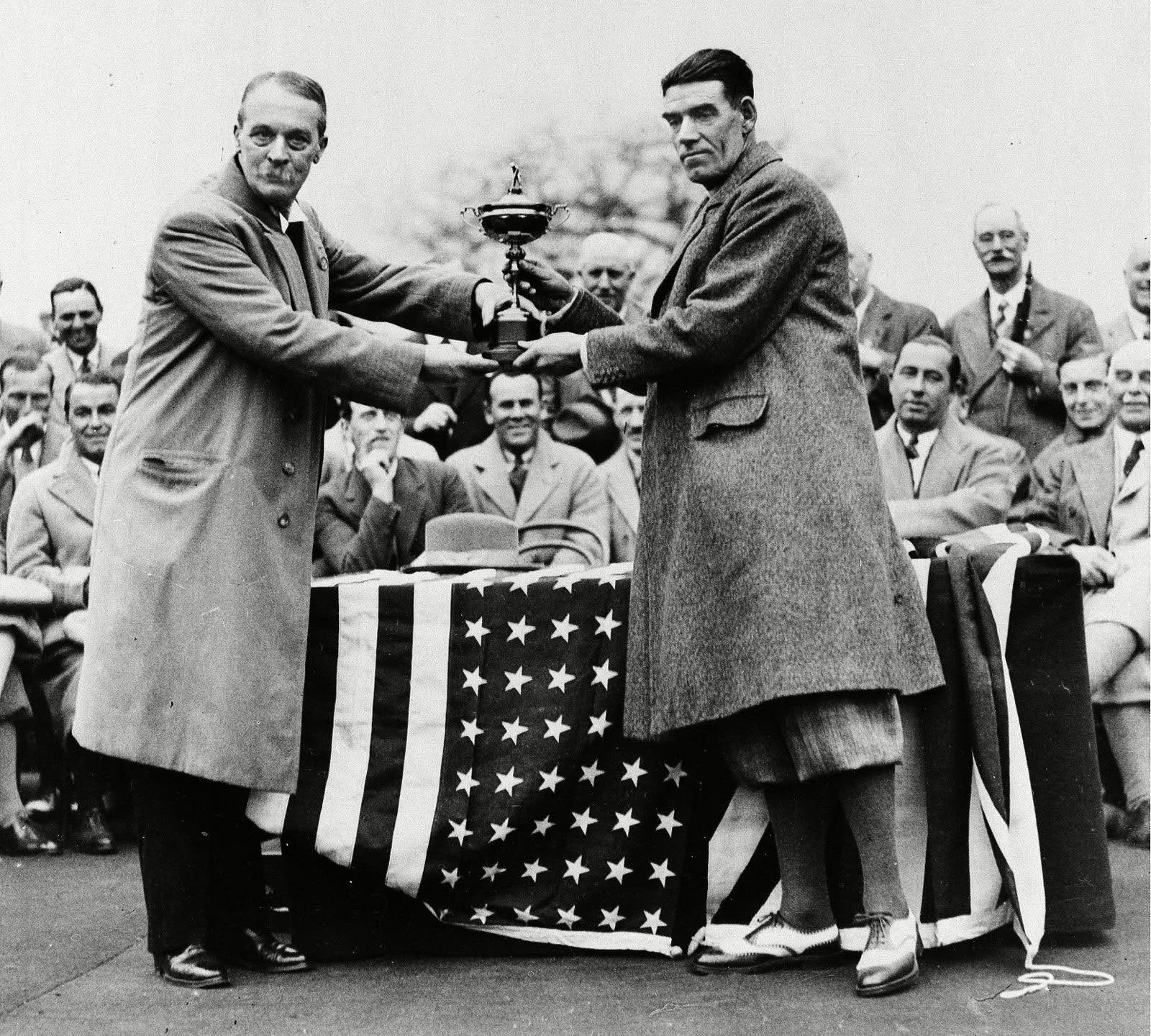
Over recent years, the Ryder Cup has grown and grown as an event. It commands huge galleries and a global television audience. For many of the golfers, competing for their team means more than individual honours.
The event has also grown in intensity. My girlfriend can’t watch when it gets too intense. There have been several flashpoints between players from both teams over the years.
Due to the partisan nature of the home crowd, it has become increasingly difficult to win an ‘away’ Ryder Cup.
Until last month, Europe hadn’t won in the US since 2012. The US haven’t won on European soil since 1993.
The home crowd make it very difficult for the opposing team. However, tradition dictates that certain customs and respect be shown to the visiting team.
Over recent years, the line that separates acceptable and unacceptable behaviour from the gallery has become increasingly blurred.
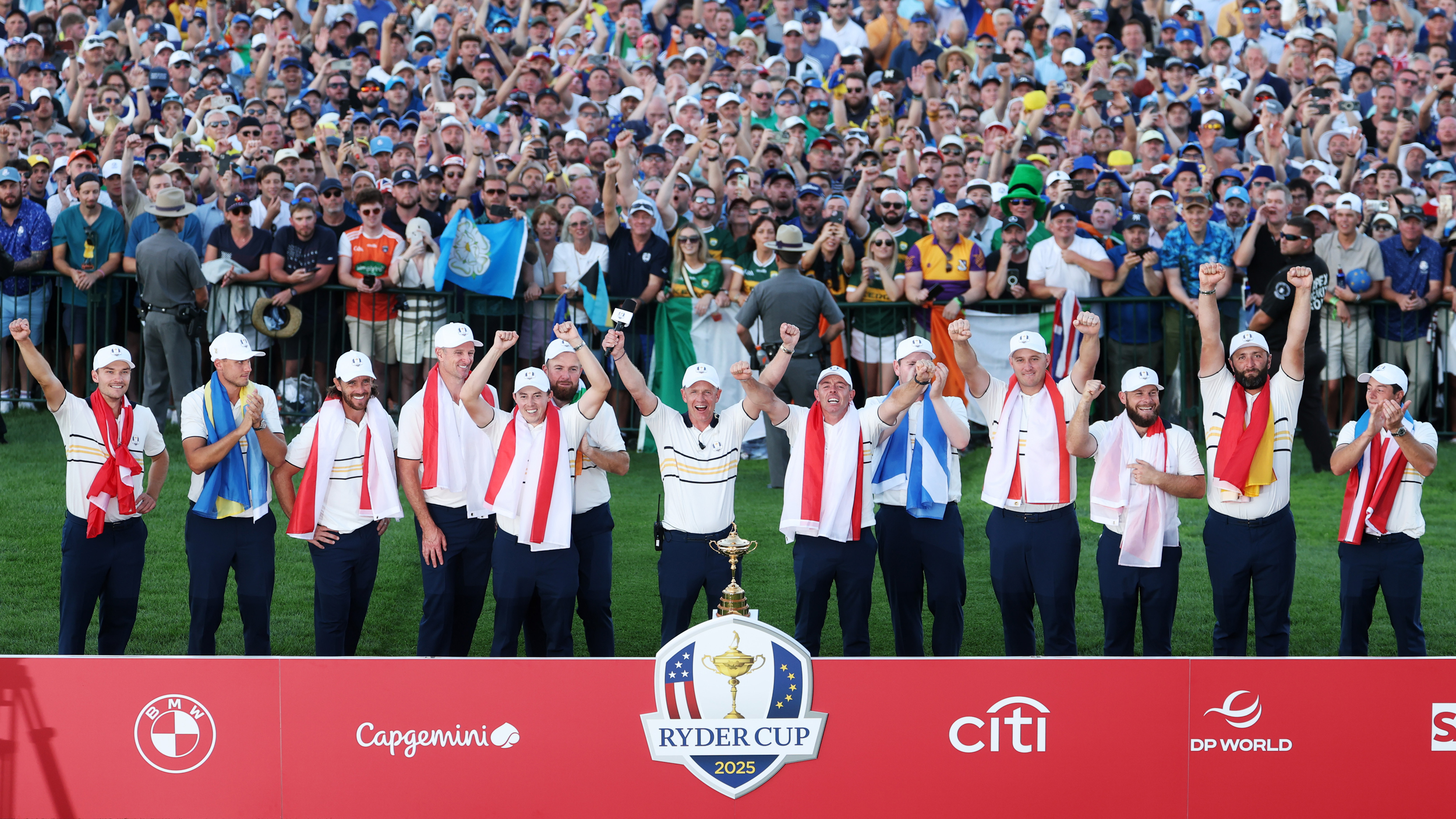
This year in New York, the European players were subjected to a steady stream of personal abuse. That abuse extended to their partners and family. One of the Europeans players’ wives had a beer thrown at her.
The Players Knew What to Expect
None of the abuse came as a surprise to the European golfers. They knew it was coming, and they were prepared for it.
The European team captain, Luke Donald, was praised for his immaculate preparation. The European leadership left no stone unturned. They even supplied their players with virtual headsets to emulate the hostile environment they would need to play in.
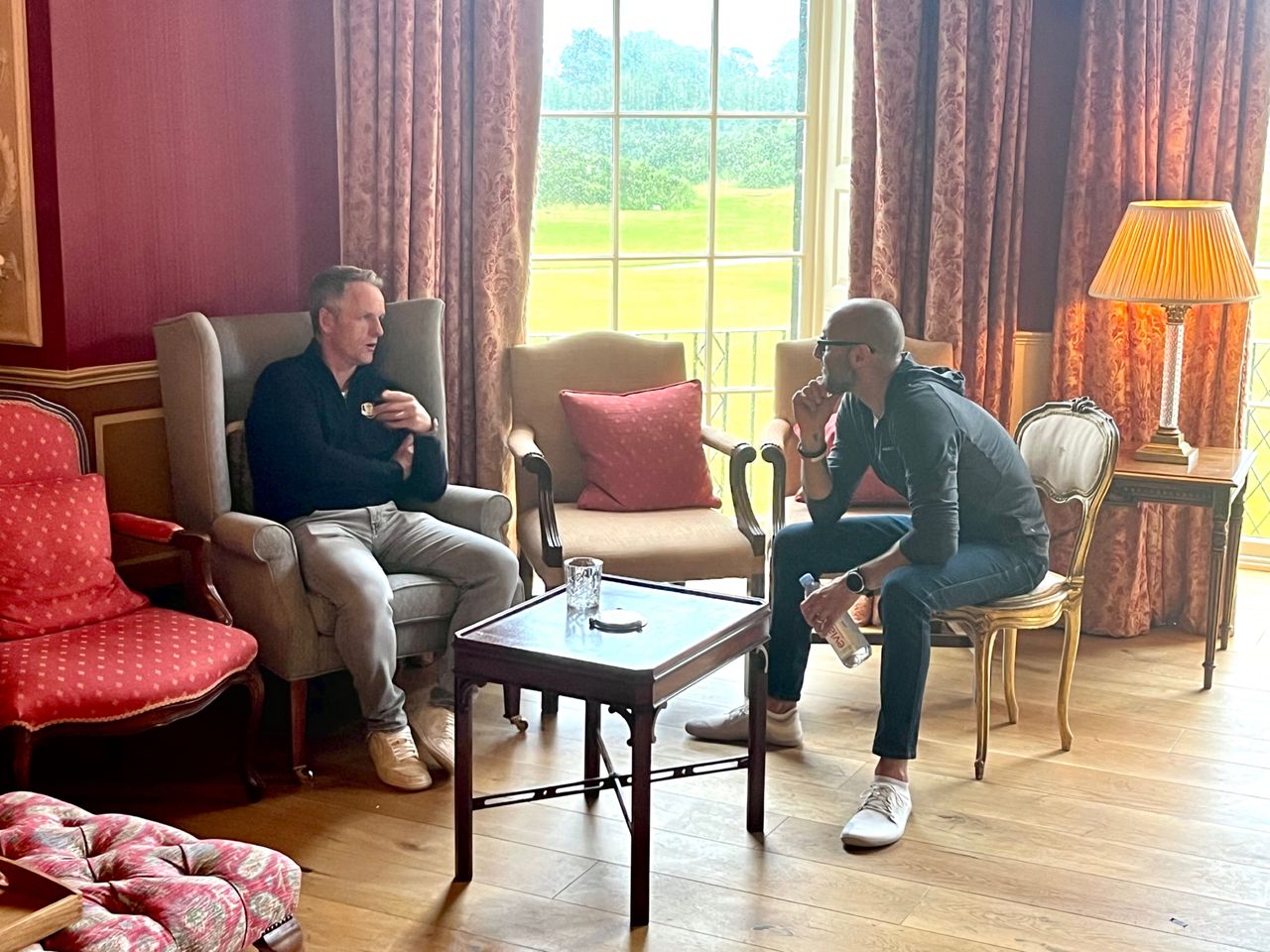
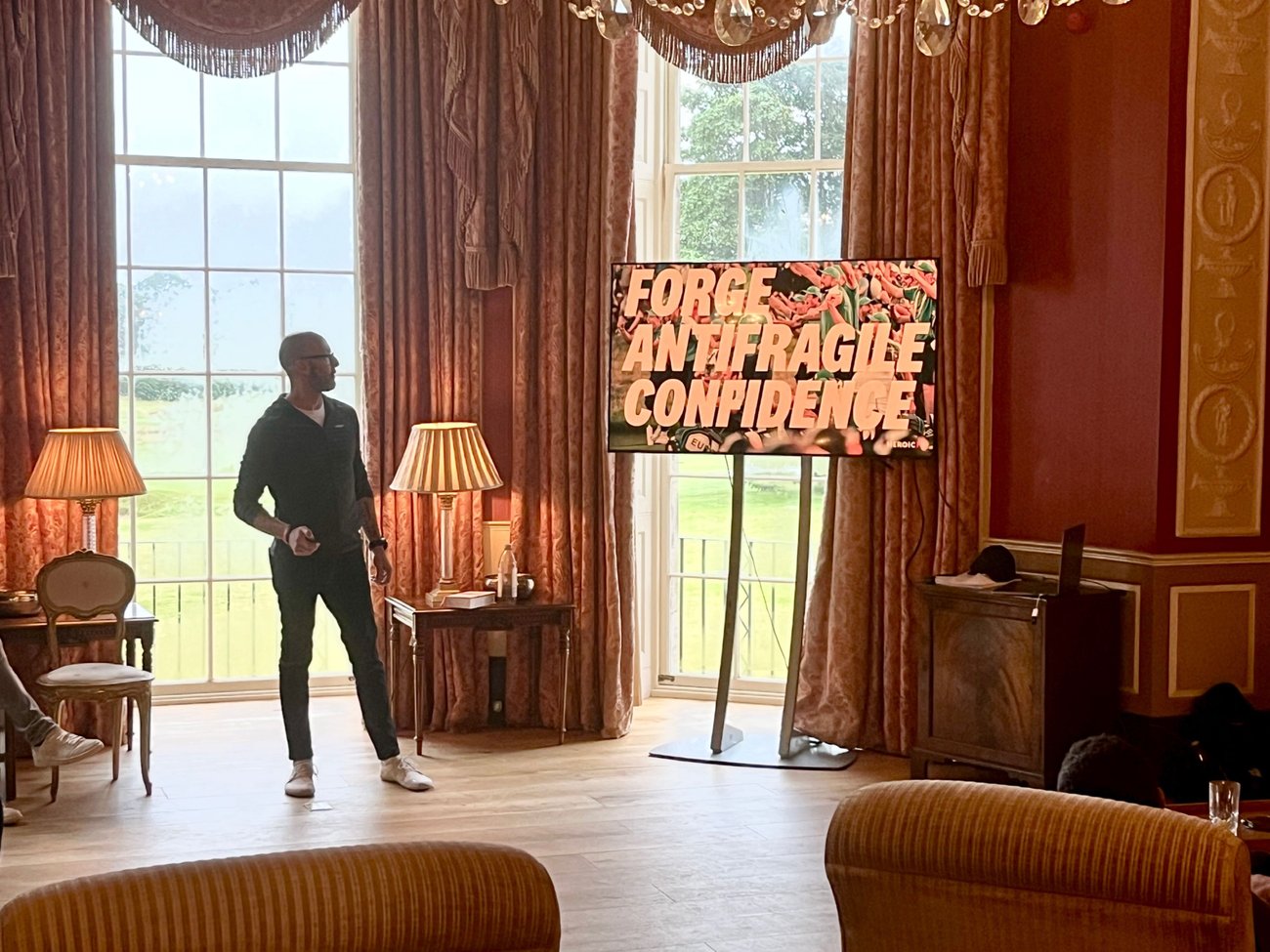
Fifteen months before the event at Bethpage, Luke Donald hired Brian Johnson to help his players forge ‘antifragile confidence’.
The Mission?
To help the players not only cope with the abuse they were receiving, but to play the best golf of their life in spite of the conditions.
Until recently, the work they did together was held to secrecy.
What is Antifragile?
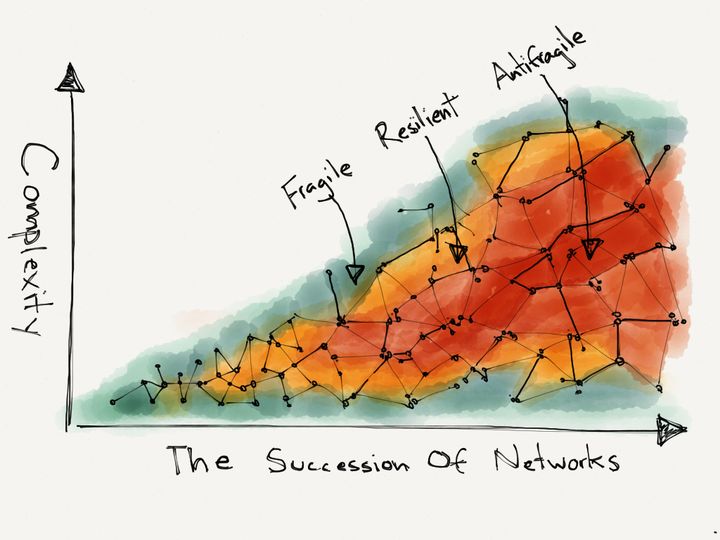
Most of us are familiar with an object being either fragile, which breaks under stress, or robust, which successfully withstands stress.
Author Nassim Taleb – in his book appropriately titled ‘Antifragile’ – introduces a third category: Antifragile.
Antifragile goes a step beyond resilience. The resilient, resists shocks and stays the same. It doesn’t deteriorate. It also doesn’t improve.
Antifragility involves the love of errors. When something achieves antifragility, it actually improves under extreme stress.
Evolution is antifragile. Culture and ideas are antifragile. Revolutions and political movements are antifragile.
The quest for excessive safety and comfort has long-term negative consequences on humanity.
For example, a parent – with a well-intentioned awareness of peanut allergies – avoids feeding their child peanuts for fear they may hurt their child. This behaviour drastically increases the allergy cases on a larger scale over a long period of time.
Our lack of exposure makes us weaker creatures. The complete absence of stress cause atrophy.
How Do You Practice Becomming Antifragile?
- Stoicism – Unlike what many people think, stoicism is not about the removal of emotion, but about the domestication of them. Taleb in his book describes stoicism: “A stoic is a Buddhist with an attitude, one who says ‘f*** you’ to fate.”
- Have the right attitude – Love mistakes, and failures, and stressors. Embrace them. Seek them out. Learn from them.
- Practice beats theory – Learning theory is fragile. Emphasising practical learning is antifragile. There’s an old saying in yoga, that it is 1% theory and 99% practice. It’s the reason it’s referred to as a practice. Life requires practice. I wrote an article on this subject.
- Introduce adversity into your life – Choose your poison. Weightlifting. Marathons. Cold Showers. Brazilian Jiu-Jitsu. Do hard things to prepare for hard times. Taleb explains,: “Success can make you fragile because you now have much more to lose than you did before. If you have nothing to lose, then it is all gain, and you are antifragile.” (As an aside, the European Ryder Cup players made a conscious choice not to receive payment for playing in the Ryder Cup.)
- Prioritise your physical wellbeing – You will face your trials. Believe me. The better shape you are in, the easier it will be to thrive through the hardships that life throws at you.
- Keep things small and simple – Too much information can be too much of a stressor. It goes beyond what you need to be antifragile. In the ironic world of the internet, the more data you get, the less you know what’s happening.
- Learn smart – Our children learn to get high grades rather than increase knowledge and skill. Instead, it pays to follow curiosity. If you are bored with a book, put it down and read a different one.
- Work smart – Renowned entrepreneur Naval Ravikant promotes the lion’s approach to work, as opposed to the mule’s approach. He said, “Rather than low-intensity interminable office hours and sleep deprivation, it is better to work intensely for short hours, then do nothing for the rest of the time for full recovery.”
It’s possible that one or two recommendations in the above list sit contentiously with you. That’s ok.
You may not be a professional golfer. You may never experience thousands of fans screaming abuse at you as you try to hit a golf shot.
What I suspect is uncontentious, is that there are challenges you encounter in life, where you need to practice being more antifragile.
Brian Johnson to travelled to New York to watch the Ryder Cup and lend his support to Luke Donald, and the European team.
He stayed at a hotel in Times Square. One evening he was in the hotel elevator with a couple of Americans who were in despair after watching Europe dominate the first two days.
One guy says to the other… “It seems the WORSE the crowd gets, the BETTER the Europeans play.”
Brian got goosebumps overhearing their observation. Their comment confirmed everything he had worked to accomplish.
Are you in? Are you making a commitment to build your antifragile muscle?